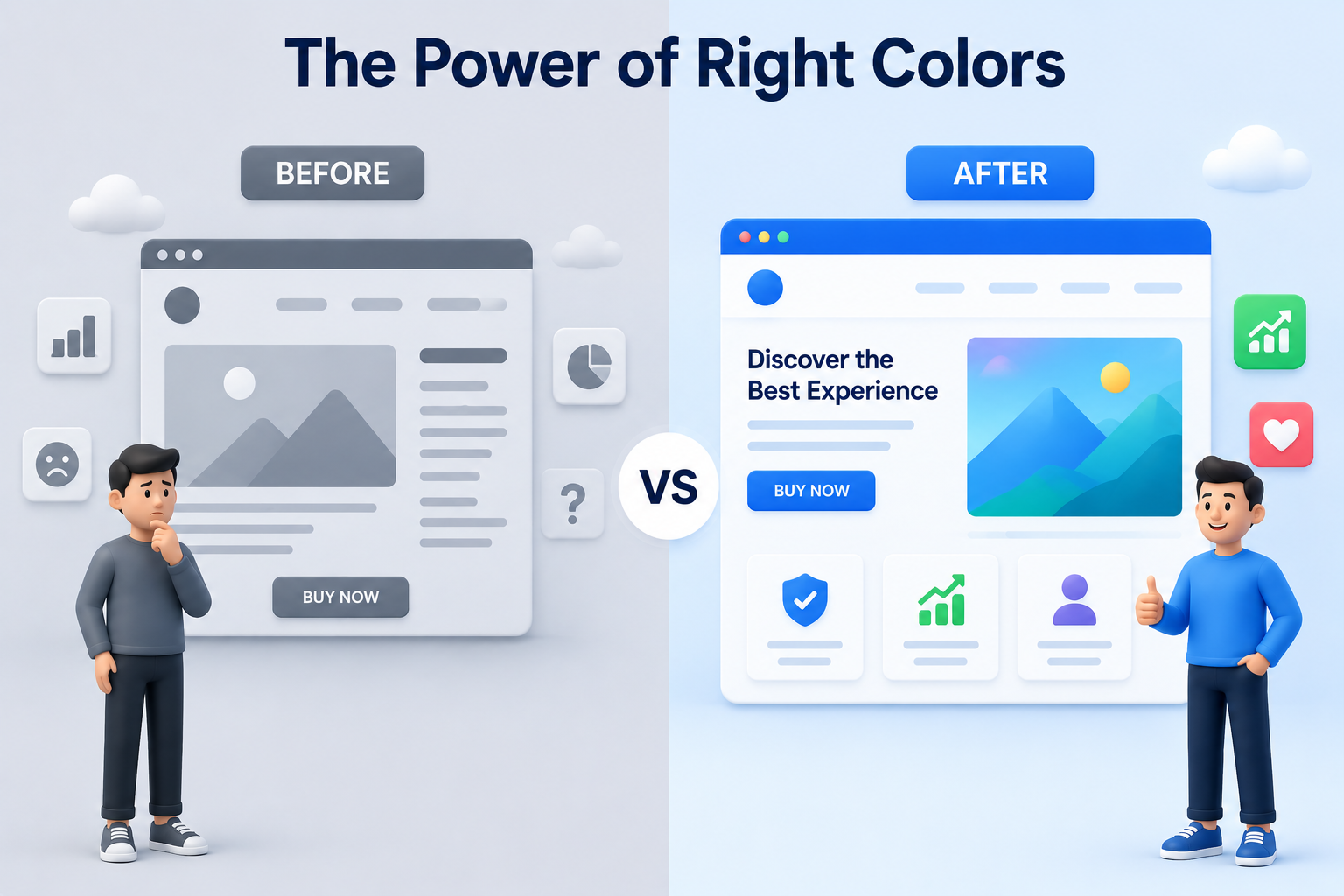

How Color Psychology Influences User Behavior.

How Color Psychology Influences User Behavior.

The hidden psychology behind color choices in UI design - how the right colors can influence emotions, drive actions, and build lasting user connections.

Mayur Tank
Mayur Tank9 Dec, 2025 · 3 min read

Introduction

Colors are more than just visual elements—they shape emotions, influence decisions, and guide user interactions. In UI and UX design, color psychology plays a key role in determining how users perceive a product and how they behave while using it. From building trust to encouraging conversions, the right use of colors can significantly impact user behavior and business outcomes.

What is Color Psychology?

Color psychology is the study of how colors affect human emotions and actions. Different colors can evoke different feelings, such as trust, urgency, excitement, or calmness. In design, these associations are used strategically to guide users toward specific actions, enhance readability, and create a consistent brand identity.
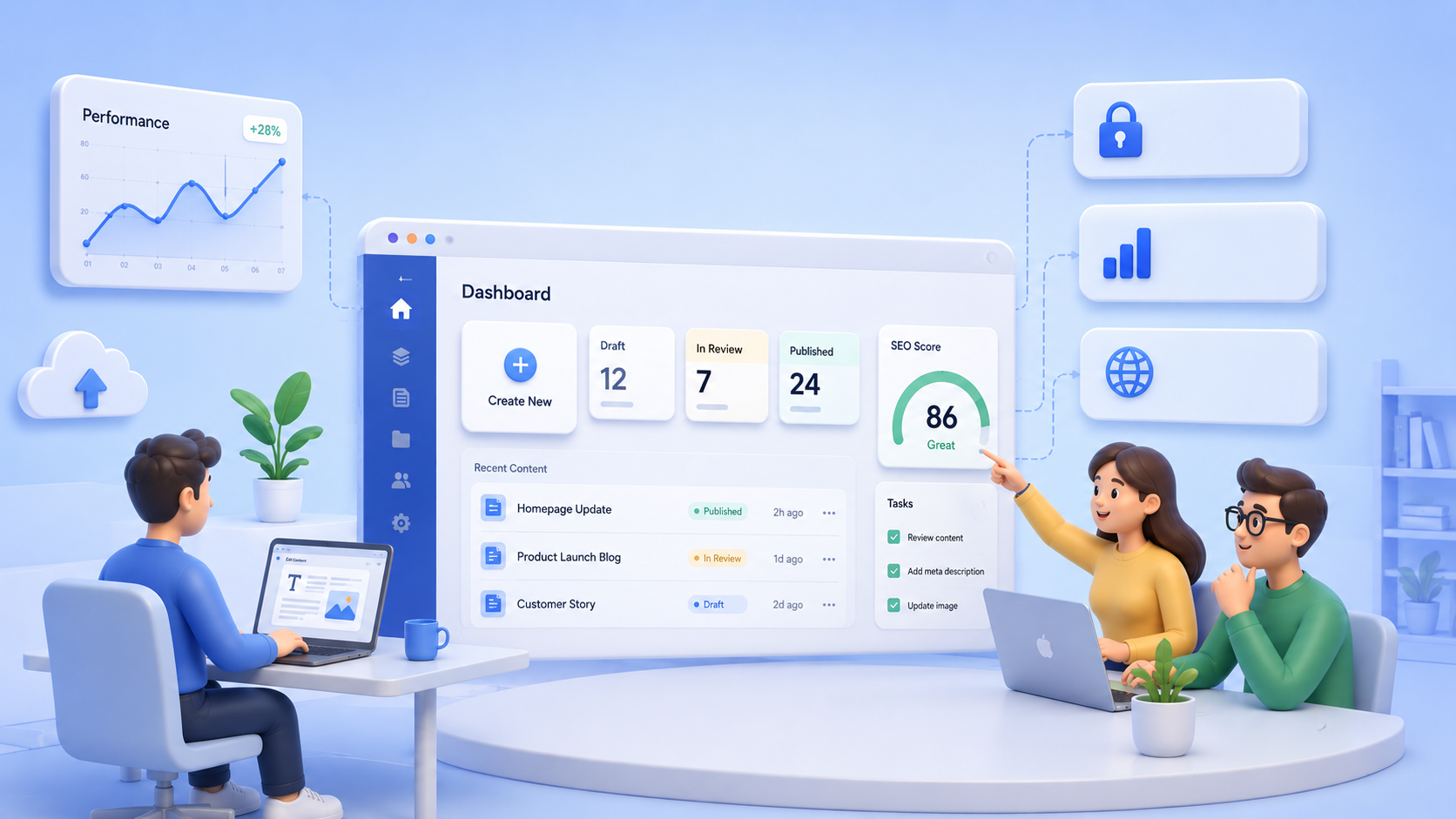
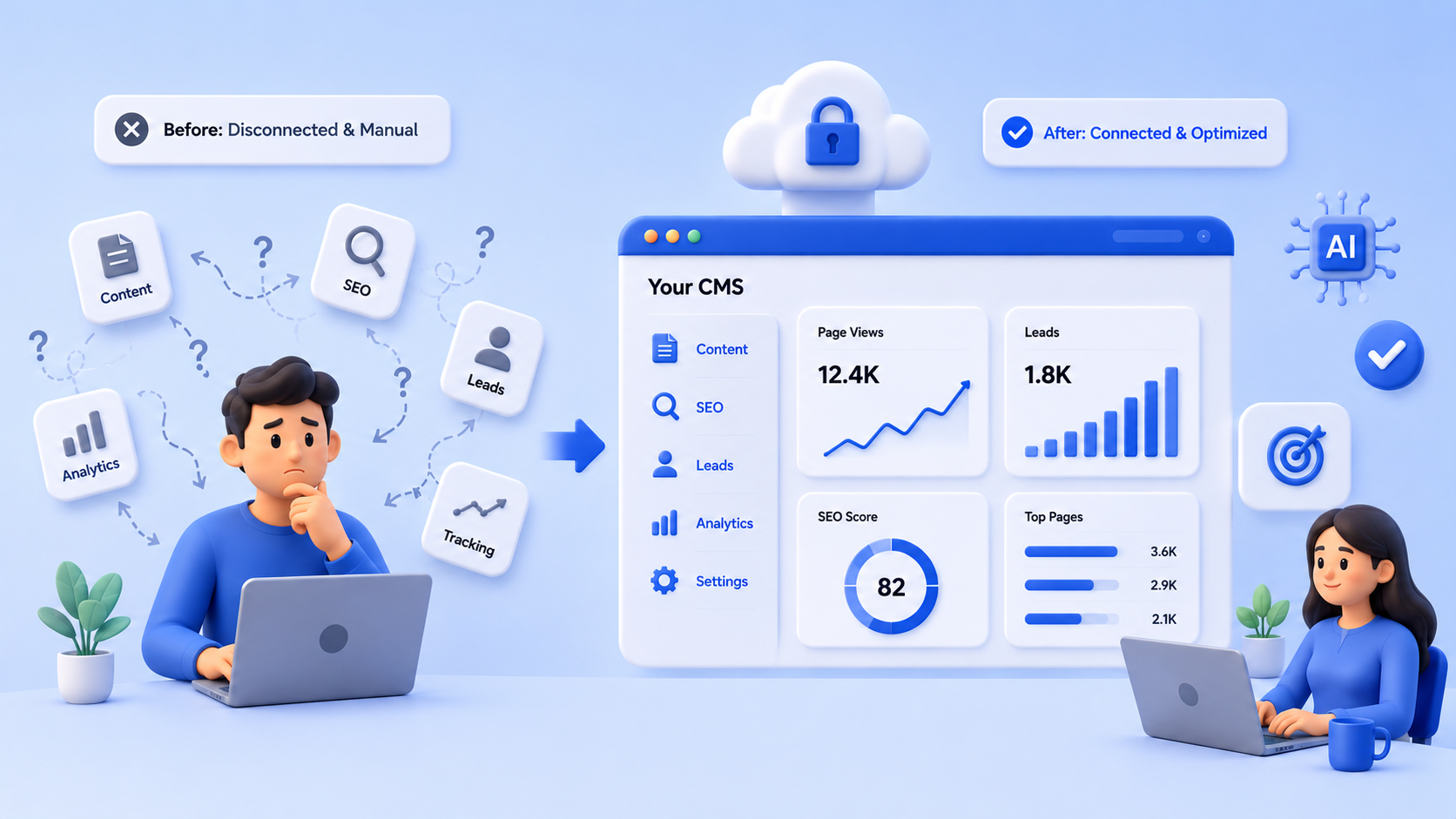
Why Color Psychology Matters in UI Design

  • First Impressions: Users form opinions within seconds of visiting a website or app. Colors play a major role in shaping these first impressions, influencing whether users stay or leave.
  • Brand Identity: Consistent use of colors strengthens brand recognition. Companies like Facebook (blue) or Coca-Cola (red) are instantly recognizable because of their color schemes.
  • Emotional Impact: Colors can create emotional connections with users. For example, green is often associated with growth and harmony, while red can signal urgency or passion.
  • Conversion Optimization: CTA buttons, banners, and highlights rely heavily on color to grab attention. A well-chosen contrasting color can increase click-through rates and conversions.
  • Accessibility: Choosing the right color contrast ensures readability for all users, including those with visual impairments, making the design inclusive and user-friendly.

Examples of Color Influence

Here's how it works in practice: In e-commerce, a red "Buy Now" button can create urgency, pushing users toward quick purchases. Financial apps often use blue to communicate trust and stability. Fitness apps might use vibrant colors like orange or green to energize and motivate users. Each color choice aligns with the intended user experience and brand values.

Best Practices for Using Color in UI

  • Understand your audience and cultural differences in color interpretation.
  • Maintain consistency with brand guidelines to build recognition.
  • Use contrast effectively to highlight CTAs and important elements.
  • Test different color schemes (A/B testing) to see what drives better engagement.
  • Prioritize accessibility by following WCAG contrast standards.

Conclusion

Color psychology is a powerful tool in UI design, directly influencing user emotions, perceptions, and behaviors. By understanding how colors affect decision-making, designers can create interfaces that not only look appealing but also drive meaningful user actions. The right use of colors bridges the gap between visual aesthetics and user psychology, helping brands connect with their audience on a deeper level.

Share :