
Why Cloud Hosting is the Backbone of SaaS Applications ?

Why Cloud Hosting is the Backbone of SaaS Applications ?

Why modern SaaS applications can't survive without cloud hosting - the essential infrastructure that enables global scale, reliability, and cost efficiency.

Mayur Tank
Mayur Tank12 Dec, 2025 · 3 min read

Introduction

In the digital-first world, Software as a Service (SaaS) has become the go-to model for delivering applications. But behind every successful SaaS product lies a robust foundation—cloud hosting. Without scalable and reliable cloud infrastructure, SaaS platforms can't deliver the speed, flexibility, and uptime businesses demand. Let's explore why cloud hosting is considered the backbone of SaaS applications and how it drives innovation and growth.

The Role of Cloud Hosting in SaaS

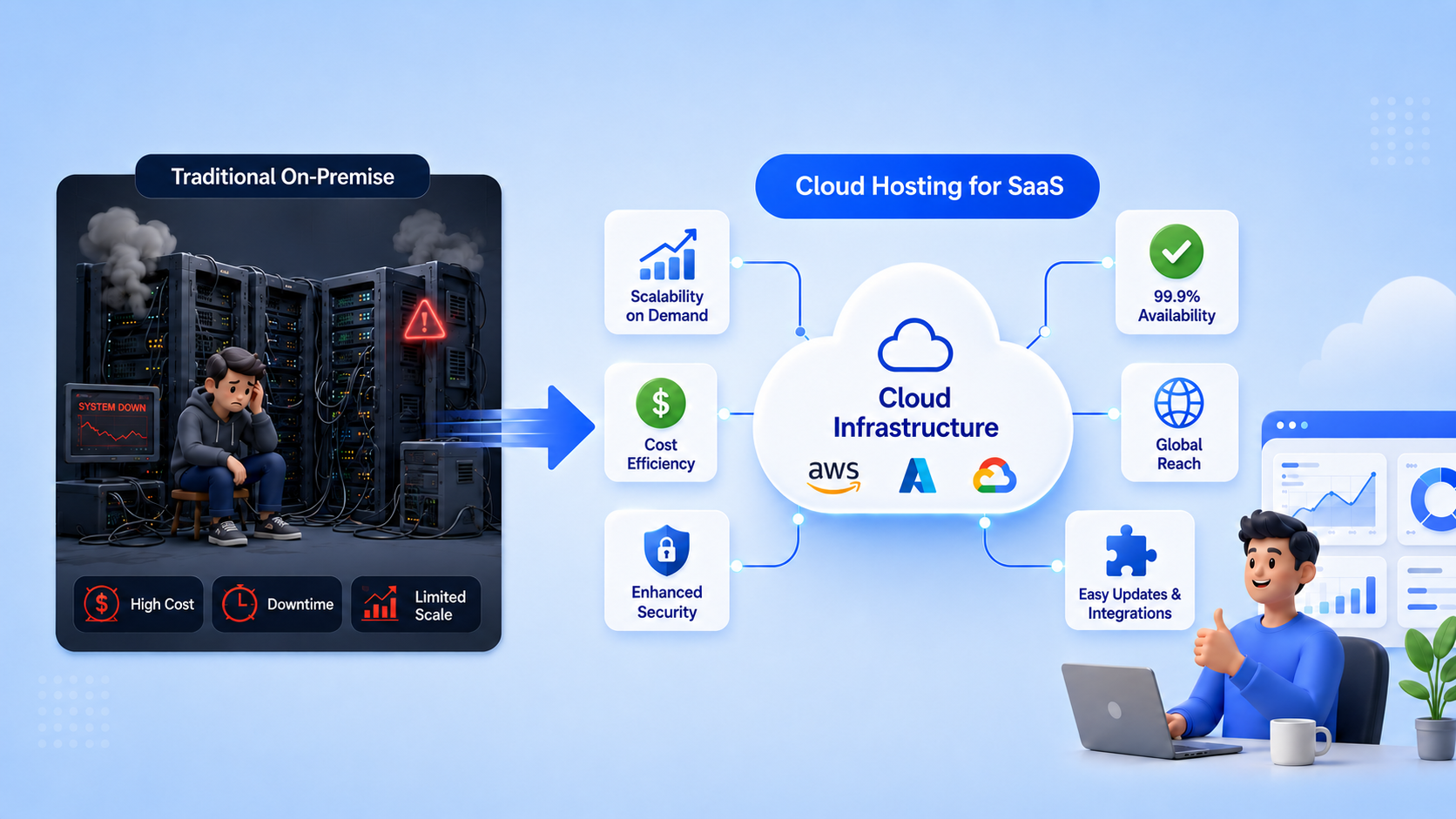
Cloud hosting provides the infrastructure that powers SaaS applications. Unlike traditional on-premise systems, cloud hosting delivers scalability, cost efficiency, and reliability. SaaS providers use cloud platforms like AWS, Microsoft Azure, and Google Cloud to ensure global availability, security, and seamless performance for their applications.

Key Benefits of Cloud Hosting for SaaS Applications

  • Scalability on Demand: SaaS applications must serve businesses of all sizes. Cloud hosting allows resources to be scaled up or down instantly, ensuring consistent performance even during traffic spikes or growth phases. This elasticity keeps costs predictable and applications responsive.
  • High Availability and Reliability: Downtime can be disastrous for SaaS businesses. Cloud hosting ensures 99.9% uptime with built-in redundancy and failover systems. This reliability builds customer trust and ensures continuous access to applications from anywhere in the world.
  • Cost Efficiency: Instead of investing heavily in physical servers, SaaS providers can pay for only the resources they use through a subscription model. This pay-as-you-go approach reduces capital expenditure and allows startups to compete with larger enterprises.
  • Enhanced Security: Data security is critical for SaaS platforms. Leading cloud providers implement advanced measures like encryption, multi-factor authentication, and continuous monitoring. This ensures compliance with regulations such as GDPR and HIPAA, protecting both businesses and customers.
  • Global Reach: SaaS applications serve users worldwide. With cloud hosting, providers can deploy applications across multiple regions and data centers. This reduces latency and ensures fast, seamless access regardless of the user's location.
  • Easy Integration and Updates: Cloud hosting enables seamless integration with other services and tools. SaaS providers can roll out updates, security patches, and new features instantly without disrupting users. This agility helps businesses stay competitive and innovative.

Challenges of Cloud Hosting in SaaS

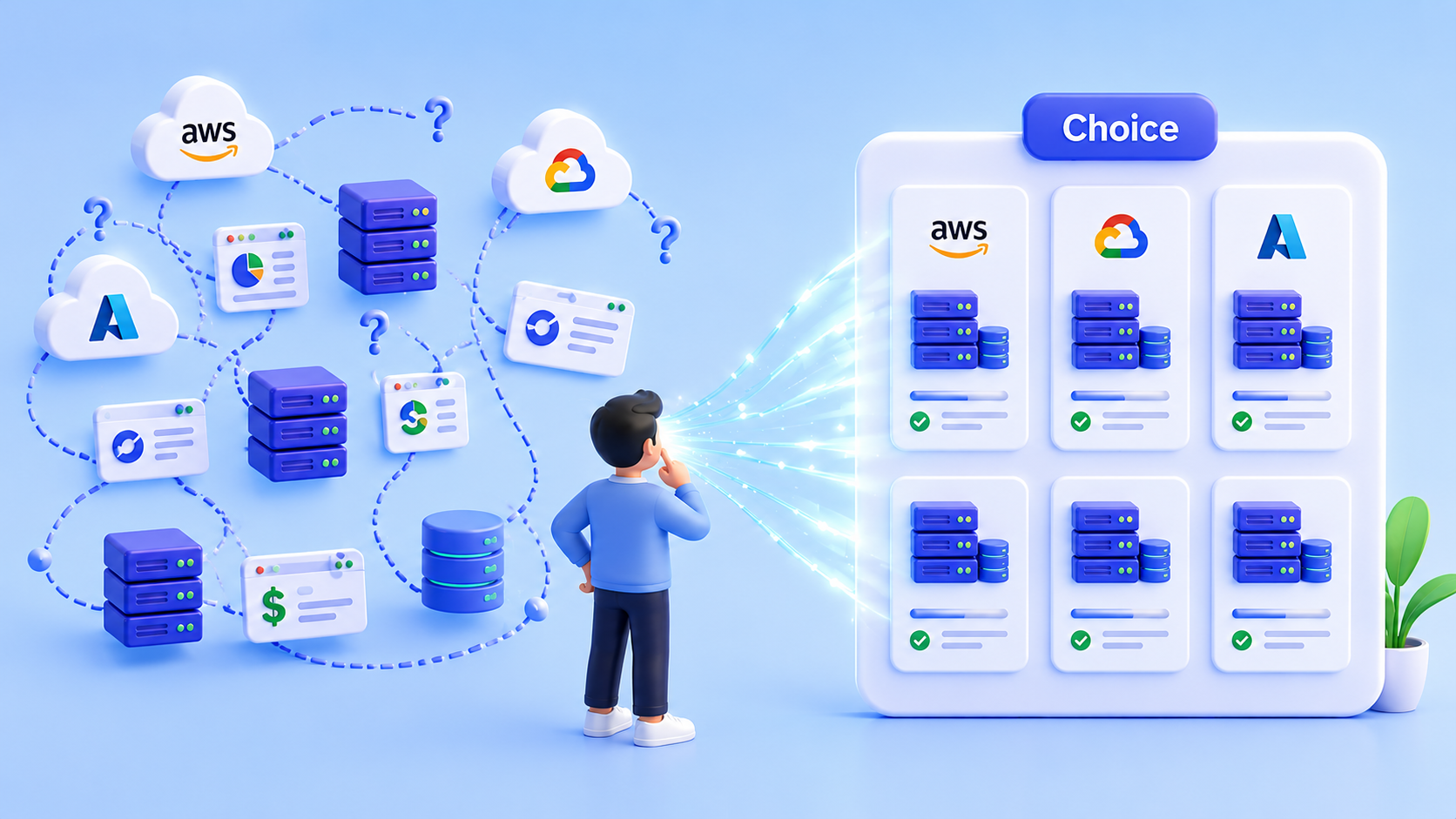
While cloud hosting offers many advantages, it comes with challenges like vendor lock-in, rising costs with scale, and data residency concerns. SaaS businesses must choose cloud partners carefully and adopt strategies for cost optimization, compliance, and multi-cloud flexibility.

Conclusion

Cloud hosting is the foundation that enables SaaS applications to thrive. From scalability and security to global reach and cost efficiency, it delivers the essential elements SaaS businesses need to grow. As demand for SaaS continues to rise, organizations that invest in strong cloud infrastructure are better positioned to innovate, serve customers, and stay ahead in the competitive digital economy.

Share :